
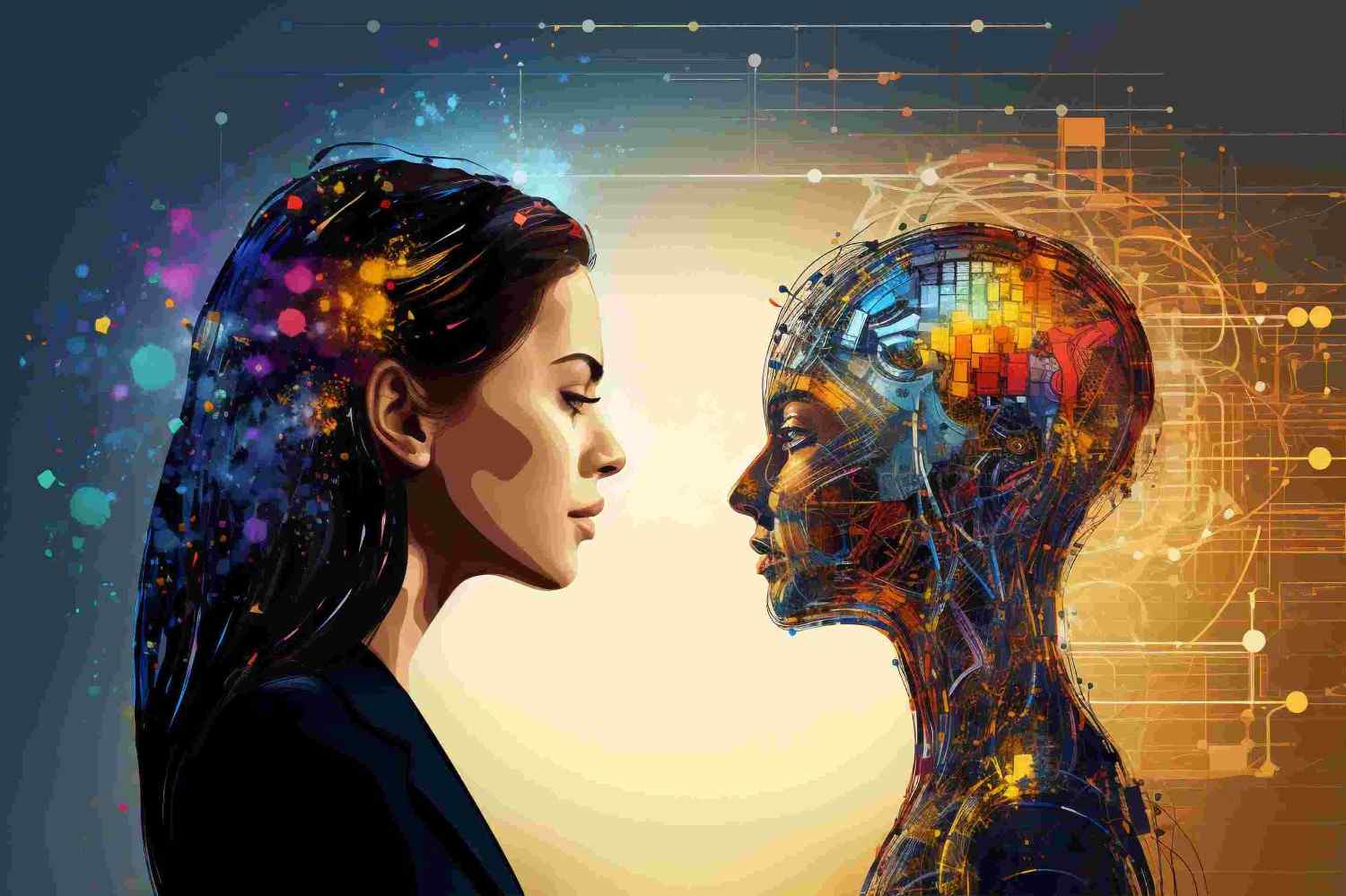
AI vs Human: The Truth Behind Automation and Job Security
AI vs Human: The Truth Behind Automation and Job Security. From self-driving vehicles to intelligent chatbots, AI has begun reshaping industries in ways previously thought impossible. But amid this technological revolution, one pressing question remains: will AI replace humans, or will it simply change the way we work?
The Rise of AI in the Workplace:AI VS HUMAN
AI refers to machines or software capable of performing tasks that traditionally required human intelligence. This includes problem-solving, pattern recognition, language processing, and decision-making. Over the past decade, AI has made remarkable strides, leading to automation in sectors like manufacturing, finance, healthcare, and customer service.
Which Jobs Are at Risk?
Not all professions face the same level of threat. AI is most effective in repetitive, predictable tasks. Roles such as data entry, telemarketing, and assembly line work are highly susceptible to automation. Similarly, AI-powered algorithms can analyze financial data faster than humans, potentially impacting jobs in banking and accounting.
The Human Advantage
Humans have inherent strengths that AI cannot match. Critical thinking, ethical judgment, and interpersonal communication are skills central to many professions. While AI can process vast amounts of data, it lacks the ability to understand nuance, context, and human values. This makes collaboration between humans and AI more valuable than outright replacement.
Reskilling and Upskilling for AI vs Human
Job security in the AI era depends largely on adaptability. Workers who embrace continuous learning and acquire digital skills are better positioned to navigate the changing landscape. Fields such as AI management, data analytics, cybersecurity, and robotics offer opportunities for humans to complement AI rather than compete with it.
Collaboration Over Competition
Instead of viewing AI as a threat, businesses can approach it as a partner. AI can handle mundane, repetitive tasks, freeing humans to focus on creativity, problem-solving, and relationship-building. In healthcare, this synergy—humans working alongside AI—represents the future of work. The key lies in leveraging the strengths of both, creating an environment where technology enhances human potential rather than replaces it.
The Bigger Picture: Ethics and Responsibility
The debate about AI and jobs is not purely economic—it is also ethical. Automation decisions impact livelihoods, income equality, and social stability. Companies implementing AI must consider fairness, transparency, and accountability. Governments need to ensure that technological progress does not leave large segments of the population behind.
Conclusion
AI vs Human: The Truth Behind Automation and Job Security. While automation will inevitably transform the workforce, humans retain unique skills that machines cannot replace. The future will likely be defined by collaboration rather than competition. Workers who adapt, reskill, and embrace AI as a tool rather than a rival will thrive in this evolving landscape.
FAQS
- What is AI, and how does it impact jobs?
- Will AI take over all human jobs?
- Which jobs are most at risk of automation?
- How can humans stay relevant in the AI era?
- Does AI create new job opportunities?
